Cross-Selling in Banking: Matching Account Signals to the Right Offer
Ever received a call from your bank trying to sell you an additional product or service? That's cross-selling, a sales technique that aims to...
9 min read
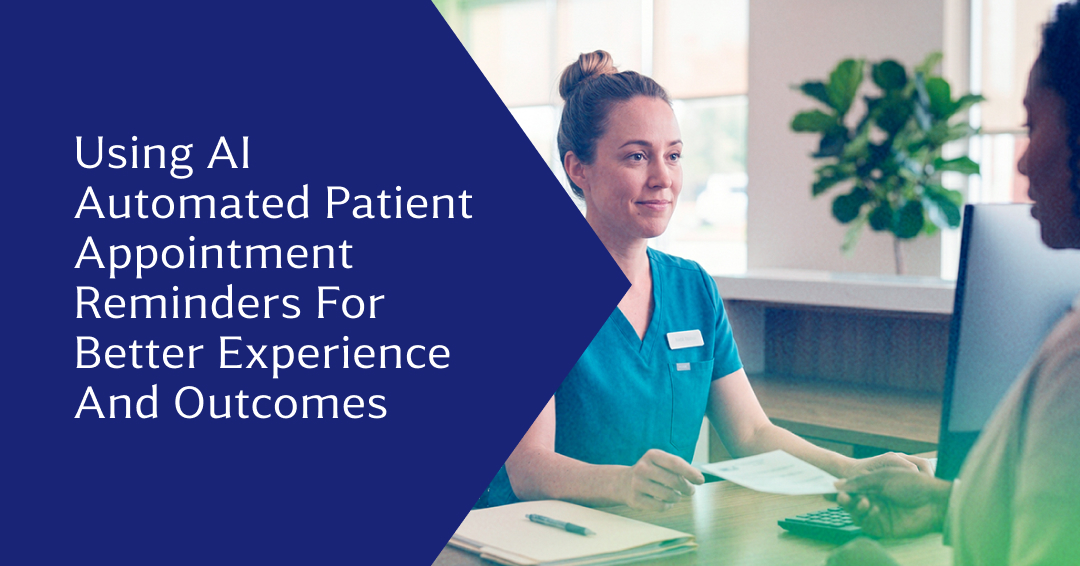
Every healthcare organization deals with missed appointments. The schedule may look full on paper, but the day often ends with empty slots from no-shows and last-minute cancellations. The front desk staff typically sends several hours each day ensuring that doesn't happen. That’s time and effort that could be better spent elsewhere.
The usual manual approach isn’t holding up anymore. It takes too much effort and still misses too many patients. Automated reminders are starting to take that pressure off. They go out at the right moments and make it easier for patients to follow through without adding more work for staff.
Every missed appointment amounts to more than just an empty slot. It's lost revenue and wasted time that could have been spent on other patients.
In the U.S. alone, no-shows cost the national healthcare industry around $150 billion every year. That's roughly $200 gone per appointment. Now factor in the 5-30% no-show rates and you can surmise the financial impact.
But lost revenue is just the number people talk about. The quieter cost is what happens to the patient. Someone who frequently misses their appointments creates care gaps that compound over time. That results in worse outcomes and higher downstream costs for the patient as well as the healthcare system.
For staff, missed appointments create their own friction. Front desk teams spend hours calling and confirming, only to still end up with empty slots. Billing cycles get thrown off and the ripple effects touch nearly every part of clinic operations.
There's also a patient experience angle that doesn't get enough attention. Broken communication and disorganized scheduling convince patients to find another provider. They're also less likely to refer your services to others. That's more revenue lost for the system.
The root cause for missed appointments isn't just that patients forget. It's that most providers still rely on manual processes that are slow and hard to scale.
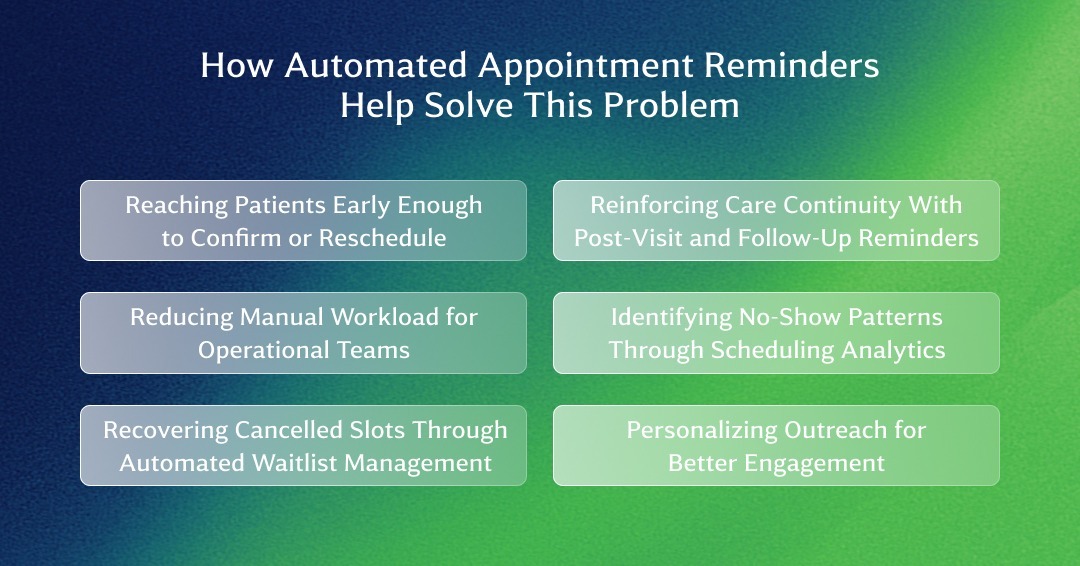
No-shows don't require a complicated fix. You only need a way to drive consistent, timely communication, something manual workflows struggle with at scale.
An automated appointment reminder system does this without anyone having to manage a call list or track which patients were contacted. This process leaves fewer gaps and reduces the strain on your teams.
The gap between booking and the day of the appointment is directly proportional to the chance that patients are going to miss their visit. Longer gaps mean patients are either going to forget or prioritize work/family affairs in the way. These challenges are easier to work around when there's still time to act.
AI appointment reminders that go out at the right intervals make that window count. A two-touch approach is often the most effective. This means patients get one message a week before the appointment and another two days out. That leaves them with enough time to reschedule and for the provider to fill canceled slots.
The front desk spends a significant part of its day fielding appointment calls. This is a repetitive and time-consuming process that takes their attention away from patients who are actually in the office.
Automated patient reminders remove this burden entirely. The AI system handles outreach on a schedule, tracks responses, and flags unconfirmed appointments.
No one needs to manage anything manually. Your staff gets their time back for things like patient intake and tasks that require a human.
Cancellations happen. It's not something you can completely avoid. But what matters is how quickly the slot gets filled.
In a manual setup, someone has to work through a waitlist one call at a time. This means that slots often go empty for hours until patients confirm.
Automated waitlist management skips that delay. The moment a cancellation is logged, the system reaches out to the next eligible patient on the list. Your schedule stays full without any staff involvement.
This matters more than most for specialty clinics or practices with long waitlists. Patients who've been waiting weeks get seen sooner and providers stop losing revenue to empty slots.
Some providers think that appointment reminders are something that happens before the visit. That's the wrong way to look at it. The most complete AI systems keep that communication going afterwards as well.
Post-visit reminders can prompt patients to schedule their next visit or complete lab orders. That same approach can extend to preventive care but with a little bit more complexity.
AI systems automatically begin outreach for annual screenings and flu shots based on the timeline. It looks at patient data to prioritize which patients to contact first. So patients who are overdue or reaching their one-year mark get priority over those who still have a couple of months left.
Automation here doesn't mean sending the same reminder to everyone in bulk. The goal is to prompt patients to take the next step at the right time.
This kind of proactive communication reduces care gaps and supports better outcomes. The reminder stops being just a scheduling tool and starts functioning as part of your clinical workflow.
The problem with manual processes is that they don't leave a data trail. Automated ones do. Every message sent and response received is logged over time to reveal patterns.
You see which appointment types have the highest no-show rates or lowest cancellations. Most providers also use analytics to confirm which patient segments disengage most often. They can then adjust their communications for such high-risk patients and improve the chance of them actually showing up.
It also helps with capacity planning. It becomes easier to add buffer appointments or reserve the most in-demand time slots during periods when cancellations tend to spike.
A reminder that feels generic often gets ignored. Modern AI appointment reminder systems address that by building personalization and relevance directly into the message. This means reflecting the patient's situation through their name, appointment type, preferred language and channels, and more.
A patient who prefers Spanish will always respond better to a reminder in Spanish. Someone scheduled for a procedure will appreciate receiving preparation instructions alongside the date and time.
When patients feel like communication is meant for them, they respond to it differently than they do to something that reads like a mass broadcast.
The channels you choose directly affect whether a patient acts on a reminder or not. Even a personalized message sent at the right time is easy to miss if it goes through a channel the patient rarely checks. A multichannel approach is a far better solution in that regard.
SMS is the default choice for automated appointment reminders for a reason. It's fast, doesn't require patients to download or log into any apps, and allows them to confirm or cancel with a single reply. That's convenience worth its weight when it comes to healthcare communications.
Many providers are also adopting RCS for their appointment reminders. It supports interactive buttons, images, and better formatting, making it highly useful for pre-visit instructions or longer-format communication without making the message feel bloated.
With device and carrier support expanding, RCS is quickly becoming a viable option for providers that want interactive outreach. Patients can just tap a button to confirm or reschedule an appointment.
One thing to keep in mind here is compliance. Standard SMS isn’t HIPAA compliant. You’ll need a secure messaging platform that meets HIPAA requirements before including any PHI.
Not everyone uses a smartphone. Older patients in particular prefer a voice call instead of a text. This can be because of unreliable data access or simply that they are not comfortable with technology. Most patients who prefer voice calls from their providers do so because it feels more personal. Ignoring these preferences means creating more care gaps.
Your standard robocalls aren't fit to fill these gaps. They feel impersonal and don't allow for dialogue. AI-powered voice systems are different. They use conversational AI to hold actual conversations. Patients can confirm their appointments and ask for preparation instructions within the same automated call.
Email makes more sense for certain appointment types. This channel is meant for communication that's long and that patients can refer to later on.
For example, preparation instructions for an upcoming surgery, intake forms that you can print at home, or physio exercises with a lot of images. These aren’t the kind of messages you can squeeze into a simple text.
Emails, however, are limited by their timing. Their open rates are lower than SMS. Patients are also less likely to catch an email in time. Hence, emails should never be used for urgent communication.
HIPAA applies here too. Any email that includes PHI needs end-to-end encryption and a compliant delivery method.
For patients who are already using a provider's app or patient portal, push notifications are a low-friction way to send automated reminders. They work particularly well for patients managing multiple upcoming visits or ongoing care plans with a lot of moving parts.
The catch is that they depend on engagement. Patients need to have downloaded the app, enabled notifications, and stayed active on the platform. That makes it a great channel for patients who are already engaged, but not something you can rely on as the main fallback for everyone else.
Physical mail still has a place in patient outreach, particularly for patients with limited digital access. Like we noted before, not everyone has a smartphone and those who have might not have reliable internet access to check emails or engage via portals. These patients are more likely to notice a postcard than a text they never receive.
They're slower and cost more per contact than digital channels but they reach patients that digital outreach misses. Used alongside SMS and email, they round out a truly multichannel automated patient appointment reminder strategy.
Most providers stop right after an appointment reminder goes out. That may work in creating awareness but it doesn't do much when a patient needs to reschedule in the middle of the night. Two-way reminders work differently. They start a message thread to let patients reply directly without having to call the office. Simple enough on the surface, but the part that actually makes it useful is what happens next.
The patient's responses don't just sit in the text chain. They automatically feed back into the scheduling system. So a confirmation from the patient's end automatically updates the appointment status. The system then adds the patient to its list of automated reminders without any manual intervention.
A cancellation works the same way by triggering the system to open a waitlist slot. You don't have to wait days before adjusting your schedule. The system automatically reaches out to a patient who's been waiting and gives them the empty slot upon their confirmation.
Patients greatly benefit from two-way exchanges. This is because most people are comfortable replying to a text. They're not always comfortable navigating a phone tree or waiting on hold to reschedule something minor. Giving them a direct way to respond on their own time makes the process feel less like a chore.
The timing determines how effective a reminder is. Send a message too early and patients forget. Send it too late and there's no time to act on it.
The most effective approach is to use what providers call a two-step sequence. This means every patient gets two reminders at set intervals.
First reminder gets sent 7 days out. This gives patients a heads-up while there's still time to make changes. It's early enough to feel like planning instead of pressure.
Second reminder gets sent 48 hours before. This is the one that drives action. Patients typically confirm within 30 hours of receiving a reminder. Sending it two days out gives them room to respond while giving staff enough time to fill any gaps before the appointment actually arrives.
Channel matters too. Providers that send both email and SMS see higher confirmation rates than those using just one. Some patients read their email first thing in the morning. Others only respond to a text. Covering both channels doesn't take much extra setup but the difference in response rate is undeniable.
A few other timing details worth paying attention to:
The reminder sequence should feel as if it were designed specifically for the patient.
Every automated reminder comes under the umbrella of HIPAA and FCC. This means that your messaging system needs to comply with both regulatory frameworks. Either that or face severe penalties and fines that will damage your patients' trust.
A reminder becomes a HIPAA concern the moment it includes anything that identifies the patient alongside their health details. That covers their personal details, appointment types, symptoms, or any clinical context.
Compliance here means considering what to include in your message.
“Mr. Creed’s appointment with Dr. James at Riverside Oncology is confirmed for Thursday at 2 PM” — this text might seem harmless but it actually includes protected health information. Sending that over an unsecured channel would be a compliance violation.
It falls on providers to set clear guidelines from day one about what should and shouldn’t go into a reminder. Most HIPAA violations aren’t deliberate. They happen when no one clearly defines the boundaries.
Patients need to specifically opt in to receive automated text reminders. General consent forms that don't explicitly mention SMS outreach won't do. This written consent ensures that you don't face violations that can run up to $1,500 per message.
A few things that should be in place before appointment reminders go live via SMS:
There’s a point where reminders stop being the problem and the system behind them starts to show. It doesn't matter how many more messages you send or how many more calls your staff makes. You'll still end up with the same gaps in your schedule. What’s missing is coordination.
This is where WestCX Orchestrate starts to feel different. We don't treat reminders as one-off messages. Our AI-driven platform connects every interaction across voice, SMS, chat, and digital channels into a single flow. That means every touchpoint builds on the last. This ensures patients are guided through the process in a way that actually makes it easier to show up.
WestCX Orchestrate combines advanced conversational AI and NLP to power a unified communication platform for healthcare providers. Every interaction adapts based on how patients respond, when they’re most likely to engage, and what tends to work over time.
That same system also captures and analyzes every interaction. You're no longer guessing why appointments are missed or where things break down. You instead start seeing patterns, and those patterns feed directly back into how you schedule, follow up, and plan ahead.
The impact shows up quickly. Fewer no-shows, less manual outreach for your staff, and a smoother experience for patients who no longer have to keep track of everything on their own. It turns what used to be a daily scramble into something far more predictable.
If that sounds like the kind of shift you’ve been trying to make, take the next step to schedule a demo to see all that in action.

Ever received a call from your bank trying to sell you an additional product or service? That's cross-selling, a sales technique that aims to...
Call deflection is a way to resolve customer issues through self-service channels. It improves your operations and lowers your costs because...
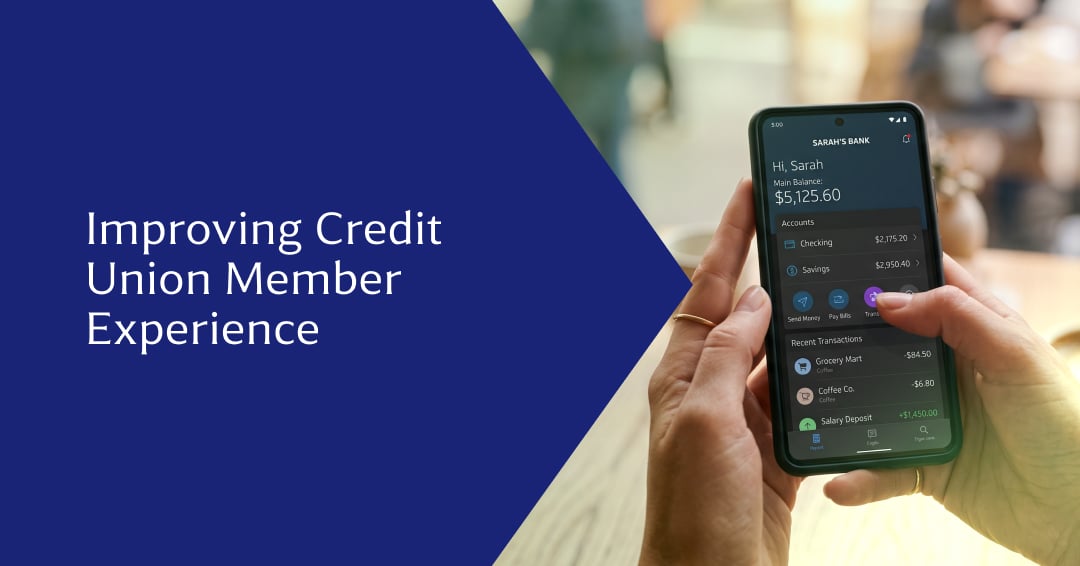
Credit unions usually think of customer service when someone asks about improving their member experience. That’s only one piece of the puzzle.
You’ve probably heard that pre-visit planning reduces no-shows and keeps your day running on time. It does but only when it’s done right.
Your full schedule doesn’t mean much if it doesn’t follow through. Patients will always cancel at the last minute and appointments easily run late....
Healthcare providers are expected to keep every patient informed, but most of the day is spent just trying to keep up with communication. There are...