Cross-Selling in Banking: Matching Account Signals to the Right Offer
Ever received a call from your bank trying to sell you an additional product or service? That's cross-selling, a sales technique that aims to...
12 min read

Your full schedule doesn’t mean much if it doesn’t follow through. Patients will always cancel at the last minute and appointments easily run late. That leaves your staff scrambling to catch up to solve scheduling issues and try to fill empty slots before the day is over.
What looks like a booking problem quickly turns into an operational one. That’s because scheduling isn’t just about filling slots. It’s everything that happens before, during, and after the visit.
The stakes are real here. Missed appointments alone cost the U.S. healthcare system around $150 billion every year. Long wait times are also pushing patients away, with over half willing to switch providers if the experience doesn’t improve.
This is where most providers get stuck. They try to fix outcomes without fixing the system that creates them. This blog addresses just that.
We’ll walk you through patient scheduling as a full appointment lifecycle. You’ll see what actually causes breakdowns and the practical ways to improve everything from booking to follow-up without adding more manual work.
The struggle isn't really because of one thing. Several issues stack up over time to cause frustration for both patients and providers alike.
Fragmented workflows across channels. Scheduling is often managed via phone calls and walk-ins. Some providers have also invested in online portals. Those are different channels that create care gaps if they don't talk to each other.
What that means is none of their scheduling channels sync with each other automatically. A patient may book a visit online and then call the office to reschedule. The staff has to manually sort through the overlap, which almost guarantees errors to creep in.
Staffing is already at its limit. Front desk teams are often expert jugglers. They'll field calls, chase mission forms, process cancellations, and manage patients in the office at the same time. That pressure makes scheduling more complicated than it should be.
Referrals fall apart in the handoff. Coordinating a referral often happens manually. Some providers might even abandon the patient to the system. This is primarily why patients disengage. No one helped or guided them when the process broke down.
No-show rates make scheduling even harder. Patients are going to miss appointments. It’s something every provider has to plan for. Those empty slots add up to considerable lost revenue. You've already spent time and money preparing for a visit that didn't happen.
A poorly managed scheduling system creates ripple effects across the entire organization. It's not just your front desk alone.
Most of your scheduling problems don't start just because you're using the wrong appointment software. They start long before that due to an unclear process.
The real failure here is that the damage is already done by the time you realize what no-shows are costing you. The practices below tighten your system to remove any gaps in the process.
Too many appointment categories is one of the fastest ways to get scheduling errors. It's also one of the easiest when your front desk is staring at a dropdown with a dozen or more visit types.
Cut them down to five or eight based on your practice. New patients, returning ones, annual wellness checks, specific procedures, and urgent slots are covered by the majority of providers. Anything beyond that usually creates confusion and adds to your staff load.
Confirmations and reminders are not the same message. The former goes out right after the appointment is booked to prepare the patient. The latter goes out closer to the appointment day to make sure the patient actually shows up. Treating them as the same or just sending one of them is where communication breaks down.
Effective patient appointment management uses both in a proper sequence. An automated system can send a confirmation message with timings and instructions at booking. It then follows up with a reminder around 3 days out and another 24 hours out.
Channels matter here. Even the above sequence won't matter if the patient doesn't see those messages. A multichannel approach uses a patient's most preferred channels. These are the ones they engage with.
But note that the goal should never be to blast the same message across every channel at once. Base them on the reason for sending. For example, SMS reminders consistently outperform phone calls for reducing missed appointments.
Patients who book their own appointments show up more often. This isn't surprising when you think about it. It creates a different kind of ownership than receiving a time someone else assigned.
Online scheduling portals also give them the option to manage their visits without calling the office. That's unmatched convenience for patients. They can reschedule visits based on their routine with a few taps instead of waiting on hold.
Self-scheduling works even better when it’s tied to digital intake. Your front desk can instantly process patients because they’ve already filled out their pre-visit forms before coming to the office. Their information is already in the system so check-ins stop feeling like a paperwork exercise.
Waitlists aren't new, but many providers are only now discovering their value thanks to automation. Having a spreadsheet of people whom you can call to fill empty slots still requires someone to remember to check it. The better way is for a system to automatically contact a waitlist patient when someone cancels at the last minute.
But that's still not an effective patient scheduling and appointment management system. Your system needs to be able to identify the next eligible patient based on appointment type and provider. It needs to base its outreach on their preferred channels within minutes. AI here ensures that the window doesn't close by the time a patient comes around to confirm.
This is one of the most straightforward revenue opportunities in patient scheduling management. But most practices are sitting on it unused because the waitlist never gets connected to an automated outreach workflow.
Most providers measure access by checking whether open slots exist. That tells you almost nothing useful.
TNA gives you a more honest picture. It measures how far out a new patient would need to book if they called today requesting a routine appointment. It doesn't track the next available slot, which is often a cancellation that just opened.
The third slot is typically the first that reflects your real appointment demand. Why the third? Because the first two available slots often reflect natural churn or cancellations and no-shows.
A TNA of two days or fewer is generally considered strong. Anything beyond five to seven days signals a scheduling constraint worth addressing. That might be demand forecasting, template redesign, or how you're distributing appointments across your care team.
Every time a patient books an appointment, there's a brief window to surface something they may have missed. That's the point where your system checks and flags a potential care gap. Maybe a patient is overdue for their preventive screening.
The patient can either add the service to the current visit or schedule a separate one at the same time. This way, you're reaching patients when they're already engaged and already in the scheduling mindset. You don't need a separate recall campaign.
Consistently closing care gaps at the booking moment is capturing revenue that it would otherwise leave on the table. It also improves the chronic disease outcomes and quality metrics that affect value-based reimbursement.
There's no universal scheduling model that works for all cases. Providers that struggle most with access and no-shows are often running the wrong model for who they actually serve.
Three approaches cover most situations:
Choosing a model based on what you read in a workflow guide instead of what your patient population looks like is a common mistake. What works for a suburban pediatric urgent care looks nothing like what works for a surgical subspecialty booking four to six weeks out.

Scheduling tools have moved well past basic online calendars and automated texts. The current generation of tools changes what's possible at the point of booking and how practices respond when something falls apart.
Self-schedulers give patients 24/7 access to manage their appointments. They can book a visit in the middle of the night and reschedule two days later if they want without any staff involvement.
That said, the difference between a good and a basic platform isn't the booking interface but what happens around it. The platform should show available slots in real time instead of a request form. It should also collect intake data right when the appointment is booked. Patients can take their time filling out insurance details or pre-visit forms without the pressure of sitting in a waiting room.
Strong self-scheduling platforms have a significant impact on no-show rates. Patients tend to show up when they book visits on their own terms and complete all paperwork in advance. Online schedulers also showcase that providers care for their patients' time.
Every scheduling system can send appointment reminders. That’s the baseline. What actually makes a difference is two-way communication. Patients should be able to respond directly instead of just receiving a notification.
That’s why many providers are shifting toward RCS reminders. Patients can confirm or reschedule in a single tap right from the message. Their response updates the schedule and even triggers waitlist changes automatically without pulling staff into the loop.
A well-designed system also builds more into that confirmation flow. Insurance verification, co-pay estimation, and outstanding balance notifications can all be handled before the visit. By the time a patient walks in, their eligibility has already been checked and they know what they owe. This means a faster checkout process that speeds up payment cycles.
Many modern health systems are already using AI-driven patient appointment scheduling to remove friction in communication and fill gaps through a more predictable manner.
The three most useful applications of AI right now are predictive no-show scoring, intelligent slot recommendations, and abandoned booking recovery.
Predictive no-show scoring looks at patient data to flag which visits are at risk. Things like past attendance, how they respond to messages, and the type of appointment give providers room to act. They can overbook higher-risk slots earlier in the day or trigger extra outreach once a patient crosses a certain threshold.
Intelligent slot recommendations suggest the slot that makes the most operational sense instead of just the first available one. AI does this by looking at provider preferences, room requirements, appointment type constraints, and other historical throughput data.
Abandoned booking recovery catches patients who started the online scheduling process and didn't finish. The system identifies the drop-off and sends a prompt to complete the booking. These are patients actively trying to access care but most providers aren't capturing them at all.
Multichannel communication isn't about using every channel at once. That's just creating noise. The real advantage comes from sequencing channels based on how individual patients actually respond.
That means an SMS outreach for a patient who often opens texts and ignores emails. Someone else who calls back after a voicemail should always receive a phone call first.
For this to work in practice, your communication system needs to track channel engagement per patient and route accordingly. A platform that treats every patient the same way regardless of their communication history is operationally weaker than one that adapts.
This matters beyond reminders. Multichannel communication supports the entire scheduling relationship. Initial confirmations, pre-visit prep, check-in prompts on appointment day, recall outreach — each of those touchpoints is an opportunity to maintain the connection a patient already has with your practice. Most practices use maybe two of them consistently, and let the rest sit idle.
No scheduling tool works well in isolation. Even advanced AI features don't matter if they don't integrate with your EHR. However, this integration needs to work both ways.
When a provider marks an unavailable slot in the EHR, the scheduling interface needs to reflect that immediately — and vice versa. Any lag between the two systems is enough to generate booking conflicts and undermine the clinical value of every scheduling decision. This is critical to patient appointment management. It's the infrastructure that makes everything else actually function.
There are also other ways EHR integrations and interoperability make a difference. One of the simplest is pre-populating patient records at the point of booking. A returning patient booking online shouldn’t be treated like a stranger. Their demographics, insurance, and visit history should already be in the system.
Insurance verification at the time of booking, instead of at check-in, is where EHR integration really proves its value for your revenue cycle. Eligibility issues on the day of the appointment create billing delays. Catching them early gives you time to resolve them before a patient walks in.
The first step towards better engagement is to stop thinking that scheduling is limited to the front desk. It's often the first point of contact of patient. That experience shapes everything that follows.
Long hold times and confusing forms tell patients that their time doesn't matter. Being told the earliest opening is three weeks out is even worse. The patient starts forming opinions even though they haven't been seen yet.
That matters clinically, not just operationally. Patients who arrive anxious or already frustrated are harder to engage during the visit. They hold back information and start judging every detail with scrutiny. Such patients are less likely to return and more likely to get a second opinion.
Now flip that example. A patient books an appointment online in the middle of the night. They immediately receive a confirmation message with prep details. A reminder also arrives two days before their visit to confirm they have filled out their intake form online. This patient arrives differently. They feel respected and heard.
The concept of patient appointment scheduling completely changes when you think about it as a patient engagement function. You ask different questions and take different actions. It's no longer just about filling slots. It's about what kind of experience you're creating before the patient walks through the door.
The market for scheduling software is crowded and not every system is built for every practice. Choosing the wrong one can create more friction than it solves. Here's how to think through the decision.
Start with your actual problem. Confirm what's actually breaking down your scheduling before looking at any features. Too many no-shows? Do you want better control over reminders? Maybe it's better coordination for referrals. Think about it. What's the point of a system if it doesn't solve your main problem?
Self-scheduling needs real-time calendar integration. Patients should be able to book without calling. That's a given. But the system should show them slots in real time. Any delay here just creates more work for your staff as they sort through double bookings.
Automated reminders aren't optional. The whole point of an appointment management solution is to automate reminders. AI here makes that even better by evaluating which channels to use and which patients to target specifically based on their historical data.
Ask exactly how EHR integration works. A scheduling tool that doesn't connect to your electronic health records means someone is manually re-entering data somewhere. That's where mistakes happen.
Waitlist management should be automatic. Ask what happens when a patient cancels. Does someone on your team make calls or does the system automatically notify waitlisted patients and confirm the replacement? The latter is what good patient scheduling and appointment management looks like in practice.
Intake forms should go out before the visit. Patients completing forms in your waiting room creates delays and takes time away from clinical care. Look for systems that send intake forms automatically after booking so that patients arrive ready to be processed.
Reporting needs to be actionable. Data on no-show rates, provider utilization, appointment type breakdowns, and booking lead times gives you what you need to actually improve. Dashboards that look good but don't surface useful patterns won't change anything.
Verify HIPAA compliance. Don't assume. Ask how the vendor handles data storage, access logs, and breach notification. Get it in writing as part of a BAA.
Make your front desk test the system. A platform that leadership loves but staff find confusing will face resistance and low adoption. Ask for a live demo for your front desk and get their feedback.
Your scheduling problems don’t show up all at once. They quietly build over time. An unconfirmed appointment here and a missed referral there might seem minor at first, but they start to leave behind small gaps in care. Those gaps don’t stay small for long. They compound until they begin to define the patient experience.
WestCX Orchestrate ensures that doesn’t happen. We unify the entire appointment lifecycle into one connected workflow so that no patient gets lost between touchpoints. The moment someone reaches out to book an appointment, our platform takes over to guide them every step of the way through timely, personalized outreach that keeps them prepared and moving forward.
The difference shows up in your patient engagement. Conversational AI agents replace one-way reminders with natural conversations across SMS, voice, email, and web chat. The outreach adapts to context in real time, so interactions feel responsive instead of scripted and transactional.
Missed appointments trigger smart follow-ups. Recalls happen without manual tracking. Referrals are actively guided until they convert into completed visits. Every step is connected through our orchestration layers that decide what gets sent, when, and how.
Automating scheduling management also takes care of the busywork that normally slows your team down. Your front desk can focus on patients in the office instead of chasing down confirmations and paperwork. Digital check-ins, pre-visit intake, and copay collection all happen ahead of time.
WestCX Orchestrate isn’t just a basic appointment management solution. It gives you control over how patients move through care while driving better outcomes at every step. Schedule a demo to see how it fits into your workflows.

Ever received a call from your bank trying to sell you an additional product or service? That's cross-selling, a sales technique that aims to...

Call deflection is a way to resolve customer issues through self-service channels. It improves your operations and lowers your costs because...
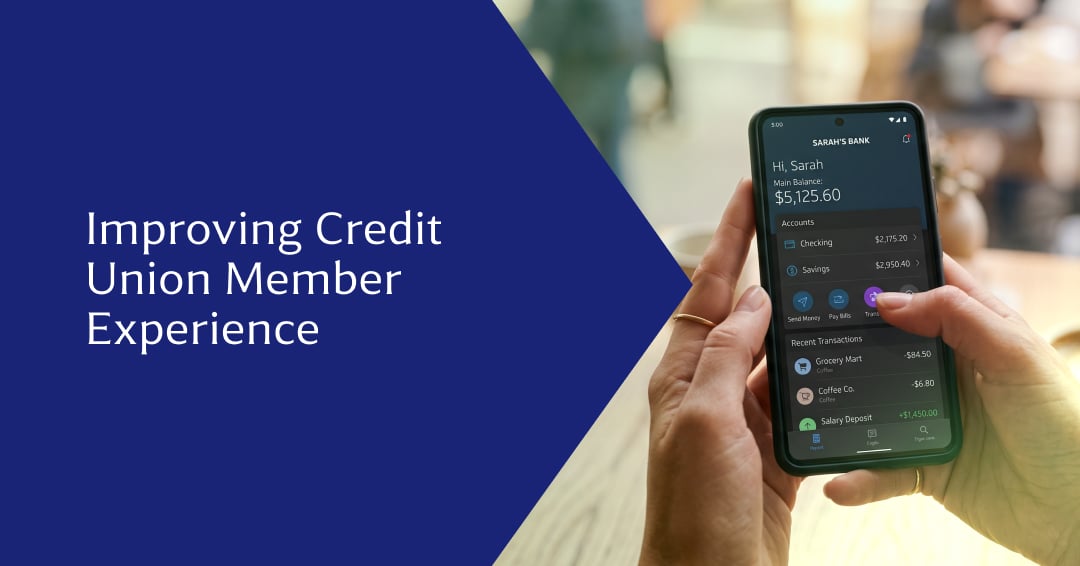
Credit unions usually think of customer service when someone asks about improving their member experience. That’s only one piece of the puzzle.

You’ve probably heard that pre-visit planning reduces no-shows and keeps your day running on time. It does but only when it’s done right.

Managing chronic conditions often feels like trying to keep track of a conversation that keeps getting interrupted. You have patients coming in for a...

Healthcare providers are expected to keep every patient informed, but most of the day is spent just trying to keep up with communication. There are...