Cross-Selling in Banking: Matching Account Signals to the Right Offer
Ever received a call from your bank trying to sell you an additional product or service? That's cross-selling, a sales technique that aims to...
8 min read

You’ve probably heard that pre-visit planning reduces no-shows and keeps your day running on time. It does but only when it’s done right.
The problem is that most providers assume a setup that looks nothing like yours. They might have only a single specialty that’s overseen solo by one MA. The low patient volume makes this manageable because there’s enough time to review every chart before the day begins.
That model doesn’t hold when you’re dealing with hundreds of patients across multiple providers, locations, and schedules. That doesn’t leave room for manual prep. What works for 30 patients a day starts to break when that number climbs to 300.
At that scale, pre-visit planning becomes an operational challenge. So the question isn’t whether you should do it. It’s how you make it work without overloading your staff or introducing more friction into your workflows.
Most people think pre-visit planning is limited to reminder calls. Reminders are actually a small part of the process.
Pre-visit planning is everything that needs to happen before a patient walks in for their appointment. It's also sometimes called "chart prep" or "visit prep" because the clinical team has to review the patient's chart, order labs in advance, and spot gaps in care so that the provider has everything they need during the appointment.
This process goes both ways. For patients, pre-visit planning means completing intake forms and receiving relevant instructions so that they arrive fully prepared.
A provider who's reviewed the charts still loses time if the patient shows up without completing their paperwork. Likewise, a patient who's done everything right still sits in a waiting room if the clinical team hasn't reviewed their history. The prep only works when both sides play their part.
Most providers already understand the logic behind pre-visit planning. What they underestimate is the cost of skipping it.
No-shows and late cancellations: Reminders and pre-visit instructions ensure that patients arrive on time, fully prepared. This is important because every empty slot is revenue that's lost.
Wasted appointment time: Providers that don't do chart preps in advance have to do them in the first several minutes of every visit. That's work they could have done in advance with a simple form.
Billing problems: Incomplete documentation before the visit creates claim denials. That includes missing codes, wrong diagnoses, unverified insurance, etc. These land on your billing staff as problems that take hours to untangle.
Front-desk overload: Every intake that happens in the office means a considerable workload for your staff. A new patient might walk in every minute or so. That workload keeps piling up to take time away from your front desk that could be used on more important patient matters.
A solid pre-visit planning checklist in primary care clearly defines ownership of every pre-visit task. Some items belong to the clinical team. Others belong to the patient. A few require both.
Chart review - someone reviews notes from previous visits, active conditions, and current medications before the appointment starts.
This ownership is assigned to the MA or care coordinator.
Care gap identification - someone pulls overdue labs, screenings, and immunizations from the EHR and flags them for the provider.
This ownership is also assigned to the MA or care coordinator. However, modern healthcare providers are now using automated EHR alerts for faster processing.
Lab orders - someone orders routine labs in advance so that results are ready when it's time for the appointment.
This ownership is assigned to the provider under standing orders.
Insurance verification - someone has to confirm eligibility before the visit to ensure there are no billing surprises.
This ownership is assigned to the front desk or billing staff. Digital intake tools significantly help here by automatically collecting insurance data and flagging potential coverage issues.
Appointment reminders - someone texts or calls patients to remind them about their upcoming appointment.
This ownership is assigned to the front office but automated reminders are quickly taking that charge. The system uses your EHR and patient data to choose preferred channels and even tailor reminder messages accordingly.
Pre-visit questionnaire - someone gives patients a form to complete that covers their reason for the visit and medical history.
This ownership is assigned only to the patient.
Pre-visit instructions - someone sends preparation guides to the patient after their appointment is confirmed. This includes medication and fasting instructions in case of an upcoming procedure.
This ownership is assigned to the clinical team. But automated intake systems also help here. For example, the system sends an email with all prep instructions as soon as their visit gets confirmed in the scheduler.
Patient handoff - After rooming the patient, someone communicates key findings to the provider before they walk into the appointment.
This ownership is assigned to the MA or nurse.
A small practice that sees around 15-20 patients a day can easily manage most of its pre-visit planning. It works because one person can see the whole picture. But add another location and double your patient volume, and that informal system becomes difficult to manage.
Outreach becomes inconsistent for starters. Some patients get reminders but others don't. The workload of your front desk determines whether a patient hears from their provider that day or not.
There's no channel strategy. Messages go out however the staff prefers or whatever they feel is fast enough. They don't base them on how patients actually respond. So chances are that most of their voicemails go unheard and their emails are buried.
Intake still happens at the front desk because forms weren't sent ahead or patients didn't complete them. This means staff are collecting information in real time. That's more pressure with people standing in line. The result is more bottlenecks and errors with every few intakes.
Care gaps don't get caught in advance. You're depending on someone to systematically spot care gaps for every patient. That's not a reliable system for a large healthcare organization.
Completion goes unmeasured. Every provider knows how many reminders they sent. But there's no way to tell whether patients confirmed or if they even finished their forms. This is easy to follow up on manually when you have low patient volumes. On a large scale, you need a proper system to keep track of every patient along their journey.

Every failure point mentioned above has the same root cause. Prep planning that depends on individual people doesn't scale. Fixing this means replacing them with system-level processes that run the same way regardless of who's working and how full the schedule is.
Manual outreach happens differently every time. Communication is shaped by the staff on duty and several other factors. A standardized pre-visit planning system changes that by ensuring consistent outreach.
Messages are sent automatically based on the appointment date. That means a reminder goes out three days before and another one two days out. A final confirmation on the appointment day closes that loop to improve the chances of the patient showing up. Nothing here depends on patient volume or site locations.
Sending a text to someone who only checks voicemail is the same as sending nothing. Routing based on preference matches the message to the channel based on the patient's history or stated preference.
If the data shows a patient only engages by text, use SMS. If they respond to calls, use voice channels. Some patients don't have any preference on file. For such patients, have the system default to one channel and switch to a fallback if that one fails. This way, you still reach the patient without burdening any staff.
Patients in the waiting room rush through their forms. It's why they often include errors or writing that might be read incorrectly by the front desk.
Sending a form two ways before the visit solves that. Make it a short questionnaire as part of the outreach cadence that asks patients their reason for visit, symptom updates, medication changes, etc. This gives the care team something to work with before the appointment starts.
Catching a missed screening during the appointment is better than missing it entirely. Catching it the day before is even better.
Automated systems make that possible by integrating directly with your EHR to pull labs, screenings, immunizations, and historical reports without manual effort.
Providers get a pre-visit summary for each patient in advance that flags care gaps like an overdue colonoscopy, a missed A1C test, or an incomplete vaccination schedule. That visibility changes how appointments are approached. Providers can plan ahead and address these gaps as part of the visit itself.
That shift has a direct impact on adherence. Patients are more likely to follow through when gaps are identified early on. What would have been a routine visit turns into a genuinely comprehensive one.
You can't plan team huddles based on whoever's memory is the sharpest. That's not reliable at all. What is reliable is a shared checklist that covers chart prep data, care gap flags, and intake responses. The team knows exactly which patients need extra time and which ones have outstanding labs. The huddle suddenly becomes a planning tool to make a patient's appointment more focused without any last-minute scrambling.
Completion rate data reveals whether your pre-visit planning system is actually working. It shows you just how many patients have confirmed so far and how many are still stuck with their intake forms. You also see which patients have pending labs.
Each of these metrics points to a specific part of the patient journey. Low confirmation rates often indicate issues with communication timing or channels. Low form completion suggests friction in the intake experience.
Tracking these outcomes allows you to spot and fix the exact root cause.
Send rates, by comparison, only reflect activity. Completion rates reflect results. You need both but most providers only track one.
The core goal of pre-visit planning doesn't change much between specialties. But what that preparation actually looks like depends on what the specialty demands.
Take cardiology. Before a patient comes in for heart failure management, your team needs a clear picture going in. That means knowing whether labs were drawn, if medications have changed since the last visit, and whether any hospital discharge notes are still sitting unreviewed. That's a very different chart prep than pulling records for an annual wellness visit. The checklist here also reflects the higher stakes involved.
Oncology adds another layer. Treatment schedules are time-sensitive and labs often need to be drawn and reviewed before a patient receives their next cycle. Missing that step can delay treatment. Here, the pre-visit planning workflow is built around hard clinical dependencies, not just administrative housekeeping.
Primary care is the hardest to plan for because it's more complex than other specialties. One appointment might need to address a chronic disease, an overdue screening, and a refill. Pre-visit planning has to account for all of that before the provider enters the room. The range of primary care cases is exactly why structured preparation matters so much there.
Most discussions about pre-visit planning almost always center on the care team. The patient's role in that process gets skipped almost entirely. That's a real gap because a prepared patient changes how an appointment actually goes.
Patients typically need to receive a few things before arriving. Starting with a confirmed appointment reminder with preparation instructions. Chronic patients might also be asked to bring their blood pressure log or glucose readings. Then there's a pre-visit questionnaire that covers medical history, current symptoms, and the reason for the visit.
That questionnaire does more work than it gets credit for. A patient who fills out a form honestly before the visit is ensuring that the provider walks into the appointment prepared. They know the presenting concern. They've seen the updated medication list. They're not wasting the appointment time to collect information that could have been gathered the night before.
This is also where the pre-visit planning checklist tends to fall short. Most checklists are built entirely around what the staff needs to do. The patient's side often doesn't make it onto the list at all. When both sides prepare, the visit runs differently. The provider can address more and the patient has room to ask the questions they came in with. This means the patient actually understands the plan they're leaving with.
Following through after the appointment also tends to go better for the same reason. A patient who wasn't rushed through the clinical conversation retains more of it.
You don’t get a second chance to prepare for a patient visit. Whatever was missed upstream shows up as delays and wasted clinical time once the patient walks in. WestCX Orchestrate makes sure those kinds of gaps are closed for good.
We connect everything that needs to happen before the visit and make sure it actually does. WestCX Orchestrate combines every aspect of communication into one AI-driven system that's designed for trust and measurable outcomes.
You stop relying on staff to send reminders and manually follow up on instructions. The system handles those steps automatically using regulated AI logic to decide who should be contacted, when, and through which channel. It keeps every interaction aligned with HIPAA standards and tailored to each patient’s context.
On the patient side, communication stays simple. Appointment reminders, pre-visit instructions, and scheduling updates are delivered through voice, SMS, email, or chat based on patient preferences. This ensures that patients can manage their appointments without friction.
Every interaction feeds back into the system, making it easier to spot gaps and improve how preparation happens over time. Your patients arrive informed and ready for care, while your team spends less time coordinating and more time delivering it.
You can schedule a demo right now to experience how WestCX Orchestrate’s pre-visit planning actually works at scale.

Ever received a call from your bank trying to sell you an additional product or service? That's cross-selling, a sales technique that aims to...

Call deflection is a way to resolve customer issues through self-service channels. It improves your operations and lowers your costs because...
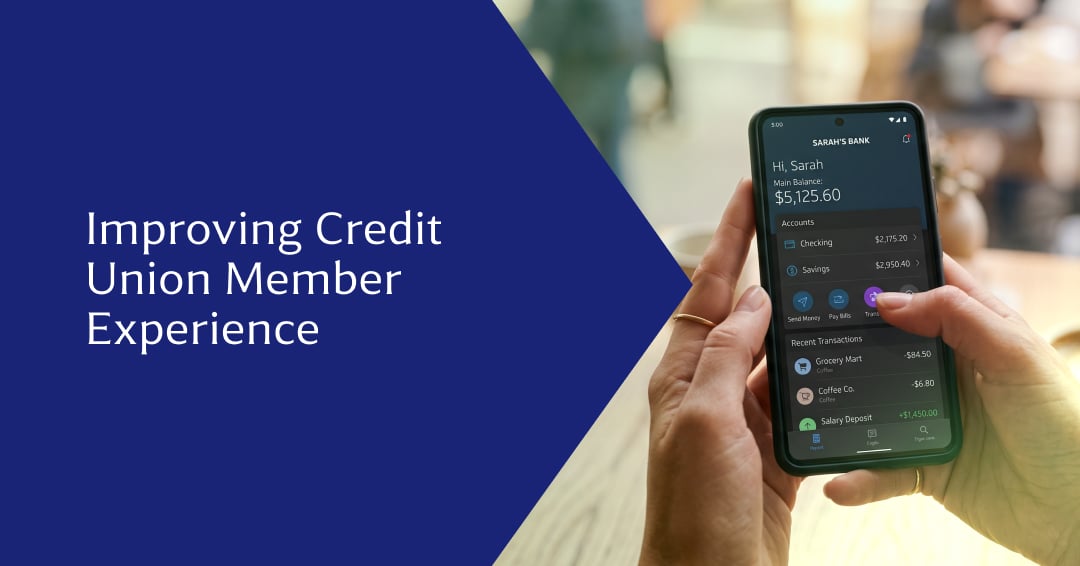
Credit unions usually think of customer service when someone asks about improving their member experience. That’s only one piece of the puzzle.
.png)
Hospital readmissions don’t just happen all of a sudden. They build up in the days after discharge and are not always a clinical issue. It often...
Thousands of patients walk into their provider's office every day to be handed a clipboard. It's the same form they've filled several times before:...
Healthcare providers are expected to keep every patient informed, but most of the day is spent just trying to keep up with communication. There are...