Cross-Selling in Banking: Matching Account Signals to the Right Offer
Ever received a call from your bank trying to sell you an additional product or service? That's cross-selling, a sales technique that aims to...
6 min read
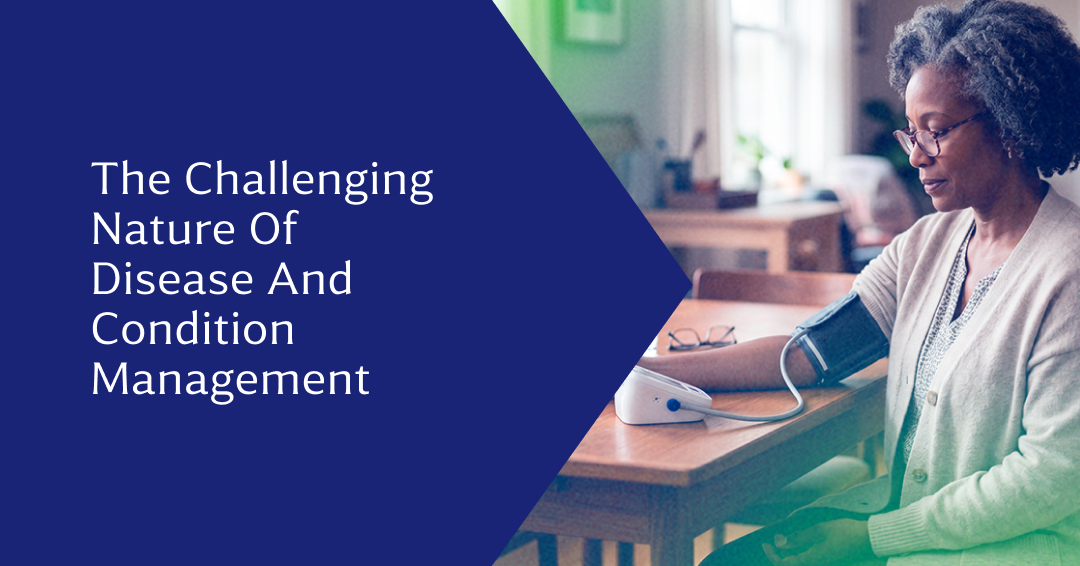
Nearly half of all patients don’t take their medications as prescribed. A significant share never even fills the first prescription. That’s the reality of how even a good care plan can fall apart as soon as the patient walks out the door.
That gap isn’t always about access or affordability. It often comes down to how well providers stay connected to patients between visits, especially in the case of chronic disease management. Excellent communication is how chronic patients feel supported, leading to improved adherence rates.
Treating type 2 diabetes or heart disease isn't as simple as clearing an infection or healing a broken leg. It requires daily attention and constant monitoring of behavioral changes. Some conditions may even require follow-ups for the rest of the patient's life. That episodic care delivery is a challenge in any disease and condition management solution.
Patients might see their provider every 3 to 6 months, which means they're making food choices and navigating symptoms largely on their own between visits.
Providers aren't in an easier position themselves. They have to manage chronic conditions as a long-term commitment. But if patients start seeing three different specialists, they start following three different instructions. That fragmented experience makes adherence a bigger challenge for their providers.
Chronic disease management is also emotionally exhausting for patients. The weight of a permanent diagnosis and the effort required to maintain new habits make it easy for patients to disengage.
Some providers treat communication as a support function. They think it's limited to just sending reminders and emails. That framing is a mistake.
Communication directly shapes whether patients follow their care plans. It's a way to build trust so that patients can openly ask about some new symptoms and take an active role in their care. That provider-patient relationship becomes a main driver of clinical outcomes in disease management.
The thing to understand here is that patients are more likely to stay on track when they understand what they're supposed to do and why it matters.
On the flip side, poor communication drives medication non-adherence. Patients who go weeks without hearing from their care team start to assume everything is fine. Sometimes they're right. Sometimes they're quietly getting worse.
Hence, treating communication as just administrative support is one of the most common ways to stall disease management. It should be treated as part of care.
Sending more messages isn't the answer in chronic care. What matters is the message itself and when you're sending it. Patients only connect with your outreach if it's relevant to them at that specific moment. 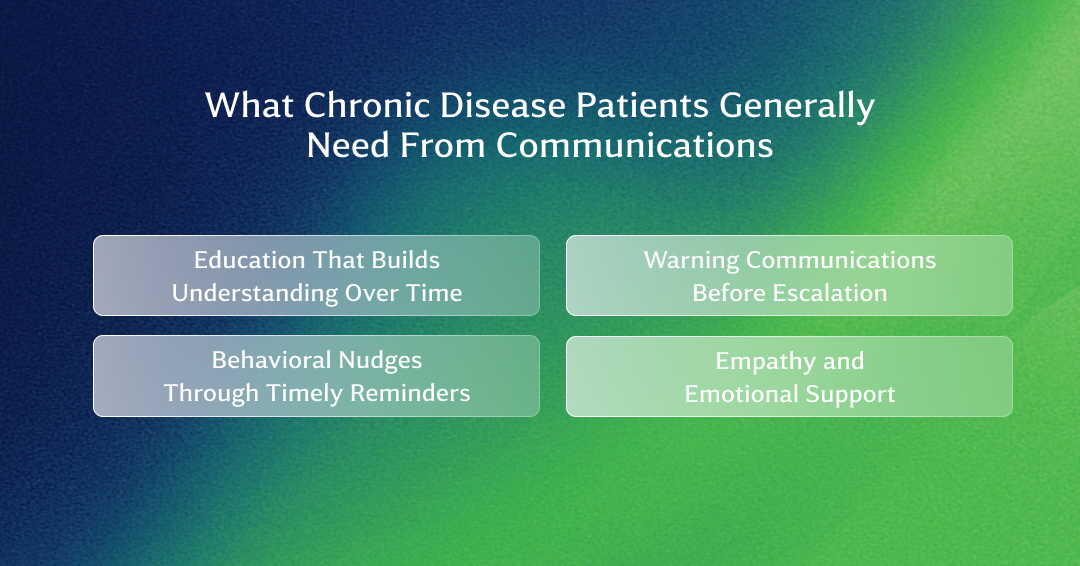
The first briefing during diagnosis almost always fails because patients are in shock. They've just been told about a disease that will change their life. You can't expect them to retain any information given to them at that time.
What works instead is education delivered in pieces over time. Someone three months into managing type 2 diabetes is ready to understand things they couldn't absorb on day one. A heart failure patient who just adjusted to a new medication is more receptive to a conversation about sodium than they were at discharge.
A good disease and condition management solution builds this kind of condition-specific education into the care relationship. They deliver relevant information through patient portals and texts at the moments patients are most likely to use it. That's how health literacy actually develops over time.
Reminders only really work when they recognize the effort patients are putting into managing their chronic condition. Saying "take your medication today" won't do much. A message that says "you've kept your blood pressure log consistent for three weeks" gives patients the motivation to stay on track.
This is a real differentiator in any disease management solution worth using. Providers have to connect daily actions to long-term goals and reach patients with messages when they most need them. That's what separates a basic notification from a nudge. One gets dismissed but the other builds momentum.
Most hospitalizations for chronic conditions don't happen out of nowhere. There are several warning signs beforehand. Those might be a worsening symptom or something else that the patient noticed but didn't know was worth reporting.
That's the entire problem with chronic disease management. Most patients don't know which signals matter. They also don't have an easy channel to raise concerns between appointments. Some might wait until the next visit but it might be too late then.
Two-way communication closes that gap. Patients who can report symptoms immediately through a secure message or a remote monitoring tool allow providers to act while there's still time.
Digital platforms can also be configured to automatically flag concerning patient data. That means providers can actively manage patient volumes without adding more work to their plates. This also proves less costly since they're catching problems early on.
Chronic patients are often dealing with stress and emotional burnout. It can make them start feeling isolated over time. However, clinical protocols don't always address this psychological weight. It's up to the providers to ensure that these patients feel heard and seen. It's how they stay more engaged with their care.
An effective disease management solution designs its communication around this very aspect. Their messaging tone and emotional check-ins are more important than just following adherence metrics.
The outcomes tied to engaged chronic disease patients aren't speculative. There's a documented difference between staying connected with providers and being left isolated.
Medication adherence improves significantly. Most chronic patients are dealing with multiple conditions. Their regimens are often complex to follow. Consistent communication helps reinforce why and how to take their meds. This includes automated reminders and check-ins, regular surveys, etc.
Fewer patients end up in the ER. This is because providers can act before a condition escalates when they're monitoring patient data between visits. Most modern management solutions include automated alerts when something falls out of normal range.
Consistent outreach closes more care gaps. Chronic patients often fall behind on their labs and screenings. This is not always intentional. They’re just competing against their daily routines. Condition-specific communication changes that. Patients who receive the right prompt at the right time follow through more often.
Costs go down when complications are prevented. Chronic diseases drive nearly 90% of the $4.5 trillion the U.S. spends on healthcare every year. That number only shrinks by preventing complications. Proactive outreach costs a fraction of what an inpatient admission or emergency intervention costs. The math is straightforward.
Not all patient outreach works equally well for chronic disease populations. These patients see multiple providers, are emotionally more stressed, and respond poorly to generic communication.
Start with the right channel. Some patients act on a text immediately. Others rely on email or need a phone call. The point of a multichannel approach is to reach each patient through the channel they'll actually respond to. This matters more for chronic patients than any other patient group because the stakes are much higher.
Personalize by condition. Someone with a heart condition won't respond to generic information about diabetes. Such mass broadcast might actually work against you because they'll just start ignoring your outreach. That means your messaging pushes them away from adherence. Condition-specific content doesn't do this.
Get the timing right. Reminders sent too early are forgotten and surveys sent too late don't capture useful data. The only way to prompt action is through timely outreach. This defines whether the communication does anything at all.
Use two-way communication. Patients don't do well if they're just there to listen to their providers. They naturally have questions and concerns. So give them a secure way to raise them. This generates data that gives care teams something to act on instead of making assumptions. Two-way communication is how you close the loop between what the patient is experiencing and what the provider knows.
AI solves the hardest part of chronic disease communication. It enables providers to consistently engage patients on a large scale without adding more work to an already stretched care team.
Automated outreach handles routine communication. Your front desk doesn't need to spend hours every day sending appointment reminders and surveys. AI-driven workflows do all that as well as send condition-specific educational content to the right patients. The system uses your EHR data and preset rules to improve your communication without any manual oversight.
Escalation logic decides what needs human attention. AI systems can evaluate incoming responses and flag patients who are a clinical concern. Someone reporting chest pain or shortness of breath is immediately routed to a care manager. Stable patients continue through their automated pathways without taking your care team's time.
Personalization that can easily scale. You don't need extra staff to tailor your communication. AI does all that on its own without any human oversight. The system can adjust channels and timing based on patient behavior. It can also personalize content based on what a patient has engaged with in the past. Anything that's being ignored is removed from the pool.
The point isn't to automate human judgment out of chronic disease care. It's to make sure human judgment is reserved for the situations where it makes a real difference.
You can’t manage a chronic condition from a single point of care. The real work happens between visits. Those are the moments where patients decide whether to follow through or drop off entirely. If those moments aren’t supported, even the best care plans start to lose their grip.
That’s primarily a messaging problem, and it’s exactly where WestCX Orchestrate is built to operate. We give you a communication layer that sits across your entire disease management program, connecting patient data, outreach, and engagement channels into one coordinated system.
Forget about sending the same reminder to everyone, our platform uses real-time data to decide who to reach, when to reach, and what to say. The orchestration layer is what makes that possible, using AI to manage timing, channel, and context so every interaction feels intentional rather than repetitive.
That’s what turns communication into something more than just outreach. Patients get messages that feel connected to their care. They respond better, show up more, and stay on track because the system adapts to how they behave.
If you’re trying to make disease management programs actually hold outside the clinic, this is where to start. Schedule a demo and see how WestCX Orchestrate can help you build the communication system that makes it happen.

Ever received a call from your bank trying to sell you an additional product or service? That's cross-selling, a sales technique that aims to...

Call deflection is a way to resolve customer issues through self-service channels. It improves your operations and lowers your costs because...
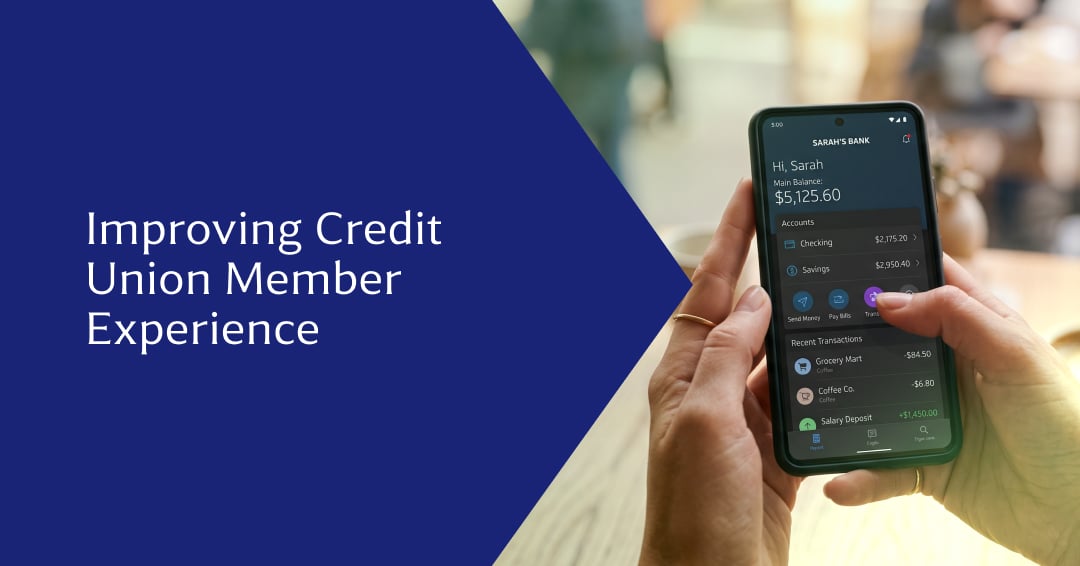
Credit unions usually think of customer service when someone asks about improving their member experience. That’s only one piece of the puzzle.

Most payers tend to measure engagement by what’s easy to count. But touchpoints, portal logins, and outreach volume don’t say much about whether a...

Managing chronic conditions often feels like trying to keep track of a conversation that keeps getting interrupted. You have patients coming in for a...

Your full schedule doesn’t mean much if it doesn’t follow through. Patients will always cancel at the last minute and appointments easily run late....